The Rise of AI Pilots: A Brief Overview
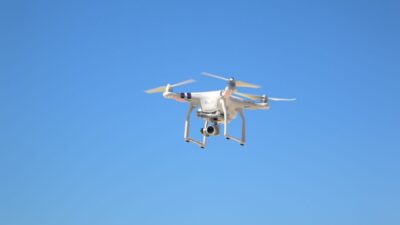
It’s 2026, and the aviation industry is buzzing with a remarkable transformation: AI pilots. These aren’t your typical autopilot systems; they are sophisticated, AI-driven pilots capable of handling flights with minimal human intervention. This leap in technology is setting new standards in aviation safety, efficiency, and cost-effectiveness.
Understanding the Technology Behind AI Pilots
At the core of AI pilots is advanced machine learning and neural networks. These systems have been trained on billions of flight hours, simulating countless scenarios to perfect their decision-making abilities. Companies like Boeing and Airbus have invested heavily in developing AI that can understand and react to dynamic flight conditions, weather patterns, and even emergency situations.
An AI pilot’s brain is a complex web of algorithms designed to mimic human cognitive functions. This includes perception, reasoning, and motor control. Essentially, they can process vast amounts of data in real-time, ensuring each flight is as safe and efficient as possible.
Safety First: How AI Pilots Enhance Flight Safety
One of the biggest advantages of AI pilots is their potential to dramatically improve flight safety. Human error, often cited as a leading cause of aviation accidents, is significantly reduced. AI pilots are not susceptible to fatigue, stress, or distraction, and their decision-making is always consistent and data-driven.
AI pilots enhance predictive maintenance by continuously monitoring the aircraft’s systems and performance. They can alert ground crews to potential issues before they become critical, reducing the risk of in-flight malfunctions. This proactive approach to aircraft maintenance is already showing a reduction in unscheduled maintenance events by 30%.
The Impact on Passengers and Crew
Passengers in 2026 are experiencing a new level of flight reliability and punctuality. With AI pilots, flight delays due to pilot availability or human-related errors are on the decline. This technological advancement has also allowed airlines to optimize flight paths better, minimizing fuel consumption and reducing carbon emissions by up to 15% per flight, aligning with the global push towards sustainable aviation.
For flight crews, the role has shifted from traditional piloting to supervisory and customer experience roles. Pilots focus more on monitoring AI systems and managing unexpected situations that require human judgment. This evolution of the pilot’s role is being embraced by many, offering a less stressful and more strategic position.
Challenges and Public Perception
Despite the advantages, the integration of AI pilots in commercial aviation has not been without its challenges. Public perception remains a hurdle, as many passengers are wary of flying on planes without a traditional pilot in control. To address these concerns, airlines have implemented extensive educational campaigns and offer the option of having a human co-pilot on board during the transition phase.
Regulatory bodies are also adapting to this new technology, ensuring rigorous testing and certification processes for AI pilot systems. This ensures that AI pilots meet or exceed existing safety standards, giving passengers peace of mind.
The Future of AI Pilots in Aviation
The future of AI pilots looks promising, with continued advancements in AI and machine learning technologies. As trust and reliability grow, we could see a shift towards fully autonomous flights within the next decade. This evolution will not only transform the aviation industry but also redefine global travel as we know it.
For those in the industry, it’s an exciting time to be part of aviation history. AI pilots represent a significant step forward in technology, promising safer skies and more efficient air travel.
Practical Takeaway: As AI pilots continue to evolve, staying informed and adaptable will be key for those in the aviation industry. Embrace these innovations, as they are poised to enhance safety, efficiency, and environmental sustainability in the years to come.