The Dawn of Air Taxi Services
Imagine a bustling cityscape, where catching a ride in the sky is as simple as hailing a cab on the street. In 2026, this vision is becoming a reality as air taxi services take flight. With urban populations soaring and ground traffic reaching new heights of congestion, there’s a fresh urgency for alternative modes of transportation. Enter the era of air taxis — a convenient, time-saving solution for city dwellers and travelers alike.
A Growing Market: Key Players and Innovations
The air taxi industry is rapidly expanding, with key players like Volocopter, Joby Aviation, and Lilium leading the charge. These companies are innovating at breakneck speed to capture a share of what analysts predict will be a multibillion-dollar market by 2030. Volocopter, for instance, has already launched test flights in key cities such as Singapore and Paris, showcasing their commitment to revolutionizing urban mobility.
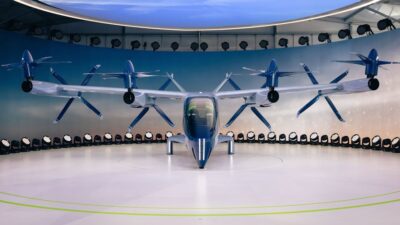
At the heart of these innovations are electric vertical take-off and landing (eVTOL) aircraft. These technologically advanced vehicles promise quieter, more efficient, and more environmentally friendly urban flights. With battery technology advancements, air taxis are now capable of traveling up to 300 kilometers on a single charge, making them not only a viable option for city travel but also for regional commutes.
Safety and Regulations: Clearing the Air
As with any new mode of transport, safety and regulations are top priorities. In 2026, strides have been made to ensure air taxis are as safe as they are innovative. Aviation authorities worldwide are working closely with manufacturers to develop stringent safety standards and certification processes. In the United States, the Federal Aviation Administration (FAA) has already launched pilot programs in select cities, focusing on air traffic management and vehicle certification.
Moreover, municipalities are adapting their infrastructure to accommodate air taxi services. Dedicated vertiports — essentially small urban airports — are being integrated into existing transportation hubs, ensuring seamless connectivity between ground and air transport.
The Environmental Edge
One of the most compelling advantages of air taxis is their potential to reduce environmental impact. As eVTOL technology advances, these aircraft produce significantly lower carbon emissions compared to traditional gasoline-powered vehicles. This makes them an attractive option for cities aiming to meet their sustainability goals. For instance, Lilium’s commitment to an all-electric fleet aims to eliminate emissions entirely, paving the way for cleaner urban skies.
Furthermore, the reduced noise pollution of eVTOLs compared to helicopters means that they can operate more freely within urban areas without disturbing residents. This is particularly important in densely populated cities where noise regulations are increasingly strict.
Challenges Ahead: Overcoming Public Perception and Cost
While the potential of air taxis is immense, the industry still faces significant challenges. Public perception remains a hurdle, as many people are skeptical about the safety and reliability of this new technology. To earn trust, companies are investing in public awareness campaigns and demonstration flights to showcase the safety and efficiency of air taxis.
Cost is another barrier to widespread adoption. As with any emergent technology, initial pricing is high. However, as production scales and technology matures, prices are expected to decrease, making air taxis accessible to a broader audience. Companies are also exploring subscription models and partnerships with ride-sharing services to broaden their customer base.
Practical Takeaway: The Future is Closer Than You Think
As we navigate the skies of 2026, air taxis are no longer a distant dream but a rapidly approaching reality. With advancements in technology and infrastructure, alongside a growing acceptance from regulators and the public, air taxis are set to transform urban transportation. While challenges remain, the potential benefits of reduced congestion, lower environmental impact, and faster travel times make air taxis an exciting development to watch. For city planners, commuters, and travelers, the skies are opening up, offering a new dimension in mobility that just might redefine urban life as we know it.