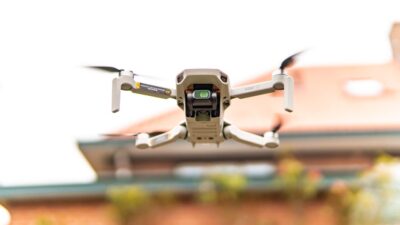
How Flying Taxis are Set to Transform Urban Transport
The year is 2026, and the skyline of many major cities is beginning to change in ways that once belonged to science fiction. The advent of flying taxis is not just a futuristic dream but a burgeoning reality set to redefine how we traverse urban landscapes. These aerial vehicles promise to alleviate traffic congestion, reduce pollution, and offer a faster way to get from point A to point B. But how exactly are flying taxis set to transform urban transport?
The Rise of Urban Air Mobility
Urban Air Mobility (UAM) is a term that’s become commonplace in transport discussions. With companies like Uber Elevate, now partnered with Hyundai, and Volocopter leading the charge, the flying taxi industry is poised for immense growth. By 2025, the global UAM market was valued at approximately $10 billion, and projections indicate it will skyrocket to $45 billion by 2030.
These flying machines, often electric Vertical Take-Off and Landing (eVTOL) aircraft, are designed to operate within cities, connecting suburbs and city centers with speed and efficiency. Unlike helicopters, eVTOLs are quieter and designed for short-haul flights, making them ideal for urban environments.
From Science Fiction to Reality
Just a decade ago, flying taxis seemed like a concept reserved for movies. However, the rapid advancements in battery technology, artificial intelligence, and air traffic management systems have made this dream a reality. For instance, Lilium, a Munich-based startup, has developed a five-seater jet that can travel up to 300 kilometers on a single charge, reaching speeds of 300 km/h.
Regulations are also catching up. The European Union Aviation Safety Agency (EASA) has already set the framework for certifying UAM operations, while the US Federal Aviation Administration (FAA) is working closely with companies to ensure safe integration into existing airspace systems.
Benefits of Flying Taxis
The potential benefits of flying taxis are vast. Here are a few ways they can transform urban transport:
- Reduced Traffic Congestion: Cities like Los Angeles and São Paulo, known for their notorious traffic jams, could see significant relief as flying taxis take to the skies, reducing the number of vehicles on crowded roads.
- Environmental Impact: With increasing concerns about climate change, the electric nature of most flying taxis means they produce zero emissions, offering a greener alternative to traditional transport methods.
- Time Efficiency: Imagine cutting your commute from an hour to just 15 minutes. This is the promise of flying taxis, allowing for faster commutes and more time for what matters most.
- Accessibility: Urban Air Mobility can connect remote areas with city centers more efficiently, potentially transforming rural economies and providing residents with greater access to urban amenities.
Challenges on the Horizon
While the prospects of flying taxis are exciting, there are hurdles to overcome. Developing a robust infrastructure to support UAM is crucial. This includes building vertiports, ensuring seamless integration with existing transport systems, and managing the airspace to avoid congestion in the skies.
Security is another concern. As with any new technology, ensuring the safety of passengers and civilians is paramount. Stringent safety standards and regular maintenance checks will be essential to gain public trust and regulatory approval.
Cities Leading the Way
Several cities are at the forefront of integrating flying taxis into their transport systems. In Dubai, the Roads and Transport Authority (RTA) is collaborating with Volocopter to develop an air taxi service, with the first trials already conducted successfully. Singapore is also piloting routes between Marina Bay and Sentosa, aiming for a full rollout by 2028.
Meanwhile, in the United States, cities like Miami and Los Angeles are actively working with industry leaders to establish pilot programs and infrastructure, setting the stage for widespread adoption.
As urban centers continue to grow, the need for innovative transport solutions becomes more pressing. Flying taxis offer a glimpse into a future where urban mobility is not constrained by the roads below but expanded to the skies above.
Practical Takeaway
For residents of bustling cities, the age of flying taxis brings the promise of a more connected, efficient, and sustainable urban lifestyle. While challenges remain, the momentum behind this technological leap is undeniable. As we move forward, it’s crucial for policymakers, industry leaders, and communities to collaborate closely, ensuring that the implementation of flying taxis is beneficial for all.