The Return of the Sonic Boom
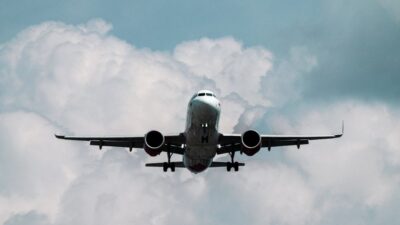
In a remarkable twist of fate, the dream of supersonic air travel has re-emerged from the ashes of the Concorde. The aviation industry in 2026 is buzzing with the promise of a new era where flying faster than the speed of sound is no longer a relic of the past but an imminent reality. Several companies, including Boom Supersonic and Aerion Supersonic, are at the forefront of this sonic renaissance, aiming to cut transcontinental flight times in half. Imagine jetting from New York to London in under four hours. This is not just wishful thinking; it’s on the horizon.
Innovations Fueling the Supersonic Comeback
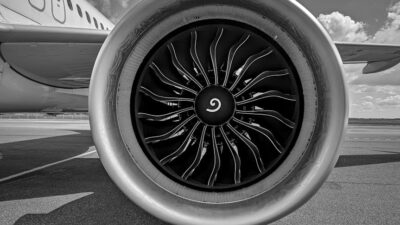
What makes this revival possible? A blend of cutting-edge technologies and sustainable practices is paving the way. Modern supersonic jets are designed with advanced noise reduction technologies to minimize the infamous sonic boom. For instance, Boom Supersonic’s Overture is engineered with a unique fuselage design that reduces drag and increases fuel efficiency. Moreover, many of these aircraft are set to run on 100% sustainable aviation fuel (SAF), significantly reducing their carbon footprint.
Economic and Environmental Challenges
However, the journey to reintroducing supersonic flights is no smooth ride. The cost of developing and manufacturing these high-speed jets is astronomical. Companies are actively seeking investments and partnerships to mitigate financial risks. Furthermore, stringent regulatory hurdles need to be addressed. Supersonic travel must align with international noise standards and environmental impact regulations. The balance between economic viability and environmental responsibility remains a delicate dance.
Impact on Airline Competition
With the introduction of supersonic flights, the airline industry faces a new wave of competition. Airlines offering these services could command premium pricing, attracting business travelers and time-sensitive passengers. This shift could force traditional carriers to innovate further or risk being left behind. The competitive landscape is set to transform, with speed becoming a significant differentiator.
Passenger Experience: What Flyers Can Expect
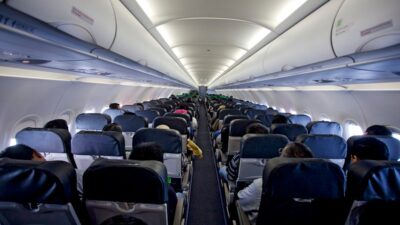
For passengers, the promise of supersonic travel goes beyond just speed. These jets are designed with comfort and luxury in mind. Spacious seating, personalized entertainment systems, and gourmet dining experiences are part of the package. Moreover, the reduced travel time allows for more productive use of time, whether for business or leisure. The era of jet lag reduction is upon us.
Practical Takeaway: Preparing for the Supersonic Shift
As supersonic travel edges closer to reality, passengers and the industry alike should prepare for its profound implications. For frequent flyers, understanding the cost-benefit of these flights will be crucial. Airlines must strategize to incorporate supersonic options into their offerings while balancing cost and environmental impact. This sonic boom on the horizon is not just about speed; it’s about reshaping how we traverse the globe.